
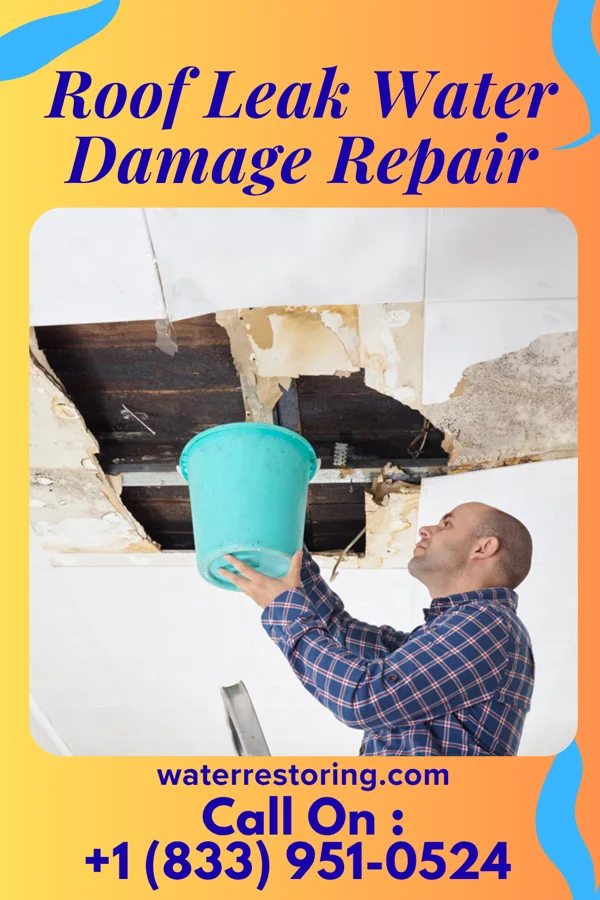
Roof Leaks Across Elmwood Place Neighborhoods
Every neighborhood in Elmwood Place has a different water damage risk profile. The one that shows up on most restoration calls is Elmwood Place, Ohio experiences frequent thunderstorms and heavy rainfall, especially during the spring and summer months. These weather patterns can lead to sudden roof leaks due to the intense downpours and strong winds. The region's climate also includes occasional freezing temperatures that can cause ice dams on rooftops, increasing the risk of water infiltration.. A close second is In the fall, Elmwood Place is prone to heavy rain combined with falling leaves, which can clog gutters and downspouts. This creates a perfect environment for water to pool on rooftops and seep into homes. Winter snowmelt can also contribute to roof leaks, especially if the roofing materials are already weakened by previous weather events..
Elmwood Place's climate, characterized by warm summers and cold winters, can lead to a variety of roof-related damages. The combination of heavy rainfall, temperature fluctuations, and occasional ice buildup can compromise the integrity of roofing materials, leading to leaks and water damage.
Water damage in Elmwood Place follows a few local patterns. Elmwood Place, Ohio experiences frequent thunderstorms and heavy rainfall, especially during the spring and summer months. These weather patterns can lead to sudden roof leaks due to the intense downpours and strong winds. The region's climate also includes occasional freezing temperatures that can cause ice dams on rooftops, increasing the risk of water infiltration. accounts for the bulk of our calls. Elmwood Place's climate, characterized by warm summers and cold winters, can lead to a variety of roof-related damages. The combination of heavy rainfall, temperature fluctuations, and occasional ice buildup can compromise the integrity of roofing materials, leading to leaks and water damage. Mold can begin to grow within 48 hours of water exposure in Elmwood Place, posing a significant health risk to residents. The combination of moisture and the region's humidity can lead to extensive mold growth, which can damage both the structure of the home and indoor air quality.
For public guidance on the health effects of mold after prolonged water exposure, see the EPA mold and health page.